
How to Build a Crisis Communications Plan Before You Need One
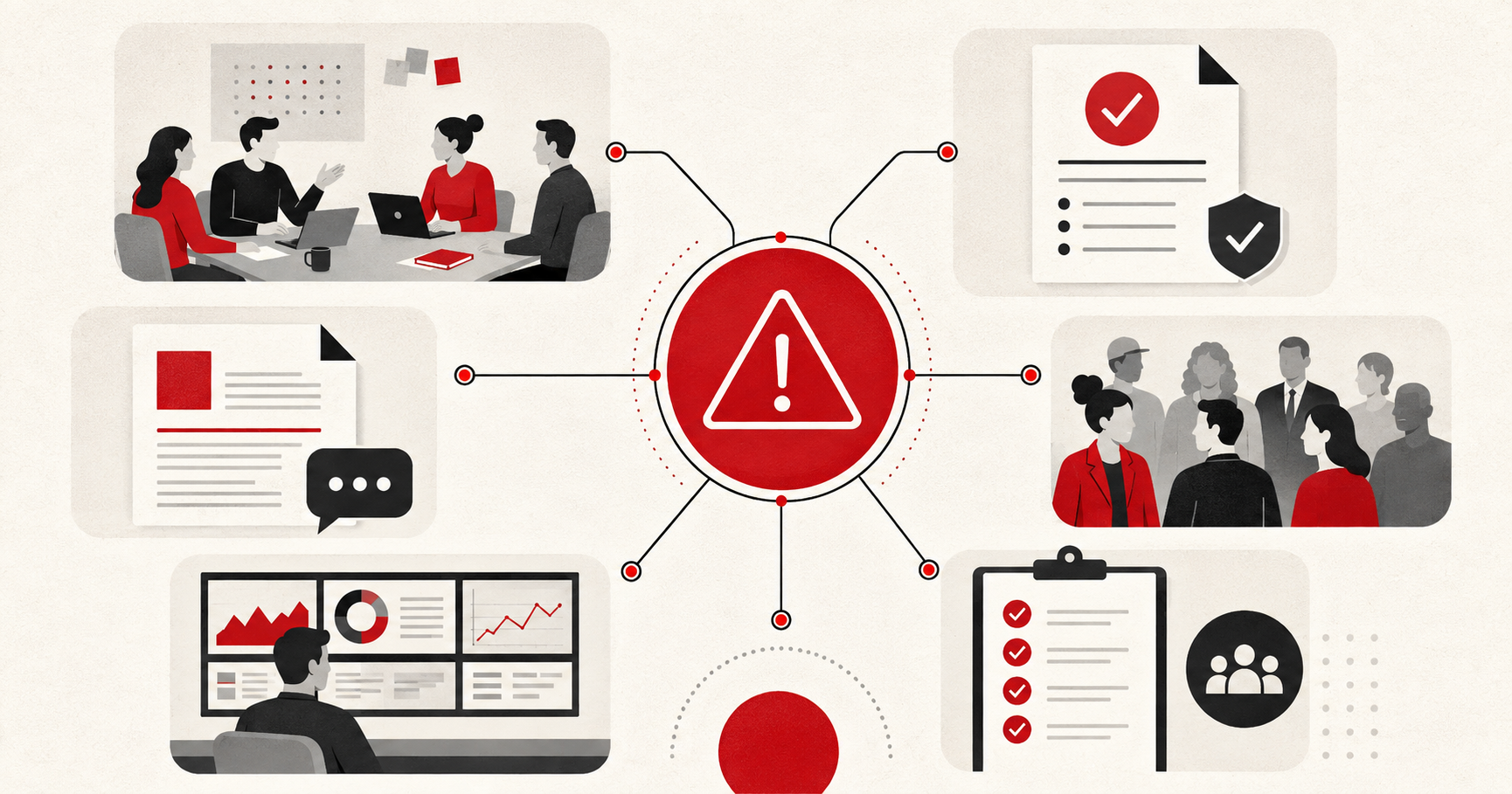
A crisis plan is a decision-making system
Most organizations do not fail in a crisis because nobody cares. They fail because information moves quickly, facts remain incomplete and too many people are trying to make decisions at once.
A useful crisis communications plan is not a thick binder filled with statements for every disaster anyone can imagine. It is a working system for recognizing a problem, getting the right people together, determining what is known and communicating with the audiences that need information.
The middle of a crisis is a terrible time to decide who has authority to speak, who can approve a statement or where the latest facts live. Those decisions should be made before the pressure arrives.
Define what counts as a crisis
Not every negative comment is a crisis. At the same time, a seemingly small issue can escalate when it involves safety, trust, legal exposure, vulnerable people or a gap between what an organization says and what it appears to have done.
Build a simple escalation framework. Consider:
- The potential impact on people
- The speed at which the issue is spreading
- The level of public or media interest
- Whether operations are affected
- Legal, regulatory or contractual implications
- The risk to trust with employees, customers and partners
Define who must be notified at each level. A customer-service complaint may remain with the service team. A data breach, safety incident, executive allegation or major operational failure should activate a cross-functional response immediately.
Name the team before you need it
Your core crisis team will usually include executive leadership, communications, legal, operations and the person closest to the facts. Depending on the situation, it may also include human resources, information security, customer support or an outside adviser.
Assign specific roles:
- Who leads the response?
- Who gathers and verifies facts?
- Who drafts communications?
- Who provides legal review?
- Who approves the final message?
- Who monitors media, social and stakeholder response?
- Who maintains a written decision log?
Name backups. Crises do not check vacation calendars.
Map the audiences that need information
The public is rarely your only audience, and it may not be the first one you should address. Employees, customers, families, partners, investors, regulators, community leaders and the media may each need different information.
List these audiences in advance and identify the channels available to reach them. An employee email, customer notification, website update, social post and media statement can all communicate the same core facts while addressing different needs.
Internal communication matters enormously. Employees should not learn significant company news from a reporter or a social-media post whenever that can reasonably be avoided.
Prepare facts and holding statements
A holding statement is a short initial response used while facts are still being verified. It should acknowledge what is happening, express appropriate concern, explain what the organization is doing and establish when more information will be available.
It should not speculate. It should not promise an outcome you cannot guarantee. And “no comment” should almost never be the entire strategy.
Prepare adaptable templates for the situations most relevant to your organization, but do not pretend you can prewrite the final answer. The statement still needs to reflect the actual facts, consequences and people involved.
Create a fact sheet that records what is known, what is not yet known, who confirmed each fact and when the information was last updated. That single source of truth can prevent outdated information from moving through the organization.
Establish communication guardrails
Your plan should explain who may speak publicly, how media inquiries are routed, how social channels are managed and how confidential information is protected.
Give employees a clear process rather than simply telling them not to talk. They should know where to send questions, how to report new information and where to find approved updates.
Speed matters, but credibility matters more. It is reasonable to say that you are investigating. It is not reasonable to fill an information gap with a confident guess.
Practice the plan
A plan that has never been tested is still a theory. Run a tabletop exercise using a realistic scenario. Give the team new information in stages and watch where the process slows down.
Can everyone be reached? Does anyone know who has final approval? Can the website be updated after hours? Is there a usable stakeholder list? Can the team produce a clear initial statement in 30 minutes?
The exercise should reveal weak points while the stakes are low. Update the plan, assign unresolved tasks and run it again.
What good crisis communication looks like
Strong crisis communication is timely, factual, empathetic and consistent. It recognizes the people affected, makes uncertainty visible and explains what the organization is doing next.
The goal is not to win every headline or make criticism disappear. The goal is to help people make sense of what happened and determine whether the organization is responding responsibly.
Trust is built long before a crisis. A good plan helps you protect that trust when it is tested.
Build the plan before the pressure arrives
If your crisis plan is a document nobody has opened in three years—or does not exist yet—Ampliphi can help you build and test a practical response system before you need it.
Explore our Crisis Communications, Reputation Management and Strategic Storytelling services.
